About The Song
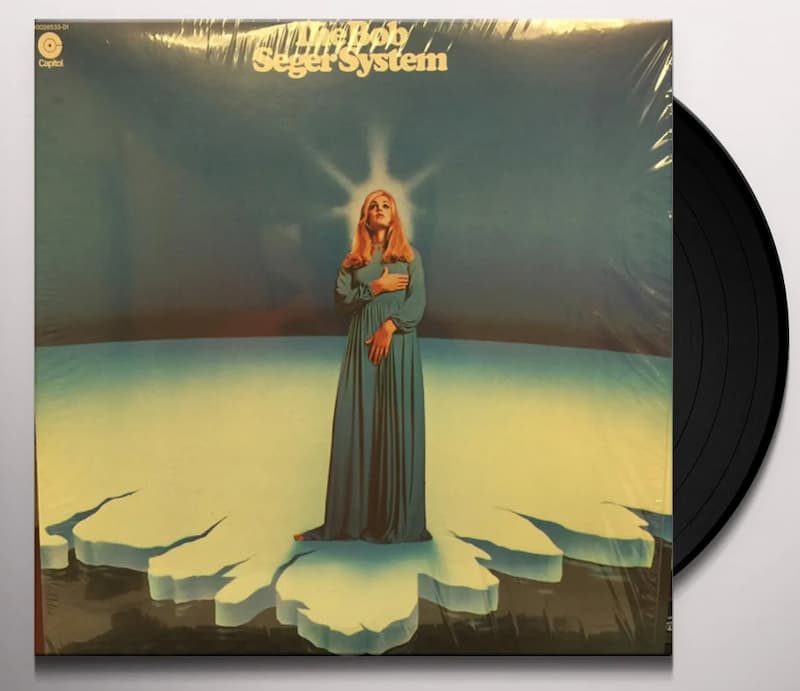
“Ramblin’ Gamblin’ Man” was the breakout single that first put Bob Seger on the national map. Released in October 1968 on Capitol Records under the banner of the Bob Seger System, it later anchored the band’s debut LP of the same name in April 1969. Compact at just over two minutes, it’s a swaggering slice of late-’60s Detroit rock: punchy rhythm section, gritty vocal, and an organ riff that grabs you by the collar.
The record’s DNA is as straightforward as its title. Built on a driving I–♭VII–IV–I progression and a no-nonsense backbeat, the arrangement leaves plenty of space for the keyboard figure to do its work while guitars jab at the corners. The production credit goes to “Punch and the Bob Seger System,” and the mix is dry and close—more club than concert hall—so Seger’s lead can barrel through without any studio gloss getting in the way.
Part of the track’s legend is who’s singing behind Seger. A 19-year-old Glenn Frey—years before co-founding the Eagles—showed up to play acoustic guitar and add backing vocals, one of his first professional credits. It’s a small detail that speaks volumes about the cross-pollination in the Detroit scene at the time and adds an extra bite to the choruses without softening the song’s grit.
Lyrically the tune is pure motion: a rambling narrator with a gambler’s nerve and no plans to slow down. There’s no ornate metaphor here—just a hard-charging, first-person declaration wrapped in a chorus that begs to be shouted back. That clarity is why the song still lands; it’s a postcard from a restless young singer who already knew how to turn bar-band energy into a hook.
Radio took notice. “Ramblin’ Gamblin’ Man” climbed to No. 17 on the Billboard Hot 100 in early 1969 and reached the Canadian Top 20 as well, becoming Seger’s first Top-20 U.S. hit. The single’s flip was “Tales of Lucy Blue,” a title that nearly named the album itself before the success of the A-side convinced all involved to lean into the hit.
The song’s live life has been long and loud. Seger and the Silver Bullet Band revived it for the 1976 concert set Live Bullet, where a lean, three-minute version sits among the album’s most raucous moments. Decades later, when the original mono studio mix was finally remastered and compiled for Ultimate Hits: Rock and Roll Never Forgets (2011), the track snapped back into rotation for a new generation of listeners.
Culturally, “Ramblin’ Gamblin’ Man” keeps rolling. It’s turned up on classic-rock playlists and in films—from the blue-collar mischief of Joe Dirt to the time-capsule soundtrack of Once Upon a Time in Hollywood—because it captures something elemental about rock & roll: a beat you can’t sit still to, a voice that sounds like the truth, and a chorus that makes the open road feel one turn away.
Video
Lyric
Yeah, I’m gonna tell my tale come on
Ah come on, ah, give a listen
‘Cause I was born lonely down by the riverside
Learned to spin fortune wheels, and throw dice
I was just thirteen when I had to leave home
Knew I couldn’t stick around, I had to roam
Ain’t good looking, but you know I ain’t shy
Ain’t afraid to look a girl, yeah, in the eye
So if you need some lovin’, and you need it right away
Take a little time out, and maybe I’ll stay
But I got to ramble (ramblin’ man)
Gamble (gamblin’ man)
Ramble (ramblin’ man)
I was born a ramblin’ gamblin’ man
Yeah, oh, yeah, yeah, yeah, yeah, yeah
Yeah, ha-ha, oh bring it on, calm down
Yeah alright, here we go now, now, now
I’m out of money, ‘course you know I need some
Ain’t gon’ run on lovin’, ha I must run
Gotta keep moving, never gonna slow down
You can have your funky world, see you around
‘Cause I got to ramble (ramblin’ man)
Oh I got to gamble (gamblin’ man)
I got to ramble (ramblin’ man)
Know I’m a ramblin’ gamblin’ man
Oh, oh, just a rambler
Yeah, yeah, I’m just a gambler
Come on and sing along, ’cause I’m just a rambler
Ramblin’ man (Lord I’m a gambler)
Gamblin’ man (I’m a rambler)
Ramblin’ man (yeah, I’m a rambler)
Gamblin’ man (ha-ha, yeah yeah I’m a rambler)